Oracy at Gillas Lane
Oracy means being able to speak and listen well. . .
At Gillas Lane Primary Academy, we believe that every child deserves to be heard, valued and empowered to communicate with confidence. Oracy is not an additional subject; it is a fundamental part of how we learn, think, connect and succeed.
We strive to develop resilient, independent and interdependent learners who can express themselves clearly, listen respectfully and contribute positively to their community.
Through our engagement with Voice 21, we recognise that spoken language is a powerful tool for learning and for life. We believe that every child should leave Gillas Lane with the confidence and communication skills needed to thrive both academically and socially.

Daily use of Oracy
Oracy is woven throughout daily school life. Children regularly engage in:
- Partner discussions
- Team huddles
- Sentence stems
- My turn, your turn
- Nesting
- Collaborative learning opportunities
- Structured classroom discussions
- Presentations and performances
- Reflection activities
- Debate and reasoning opportunities
Teachers use high-quality interactions to develop children's language through. Staff work hard to ensure a balanced ‘talk diet’ through:
- Narrating
- Commenting
- Recapping
- Reflecting
- Extending ideas
- Making links
- Posing problems
- Modelling thinking aloud
- Encouraging children to ponder and explain
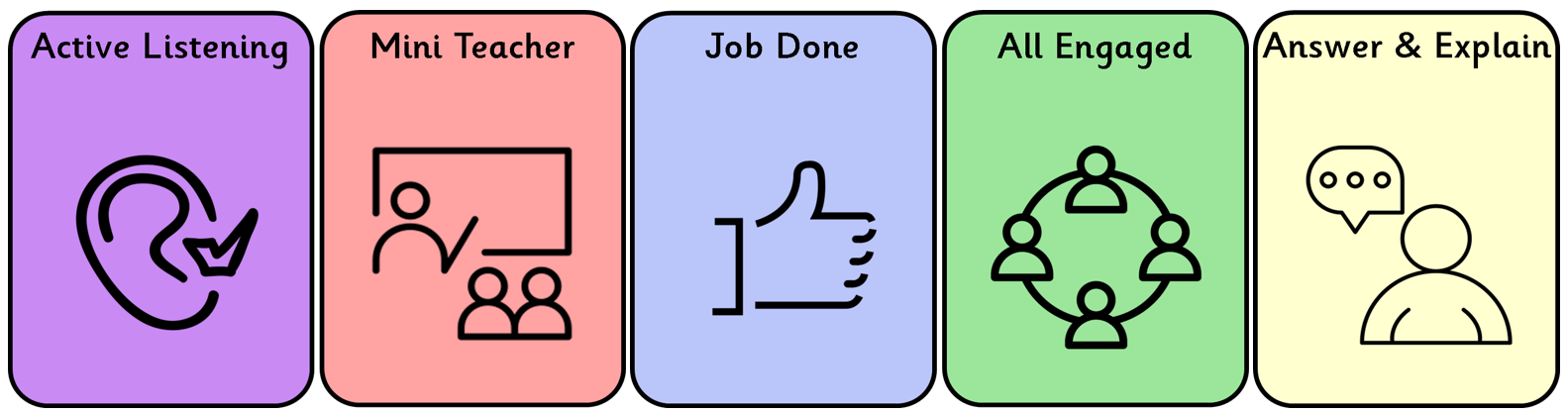
We have carefully linked our oracy journey to our established Gillas Lane Learning Behaviours. Through Voice 21, we have enhanced these behaviours so that purposeful talk becomes an integral part of learning.
Dedicated Oracy Sessions
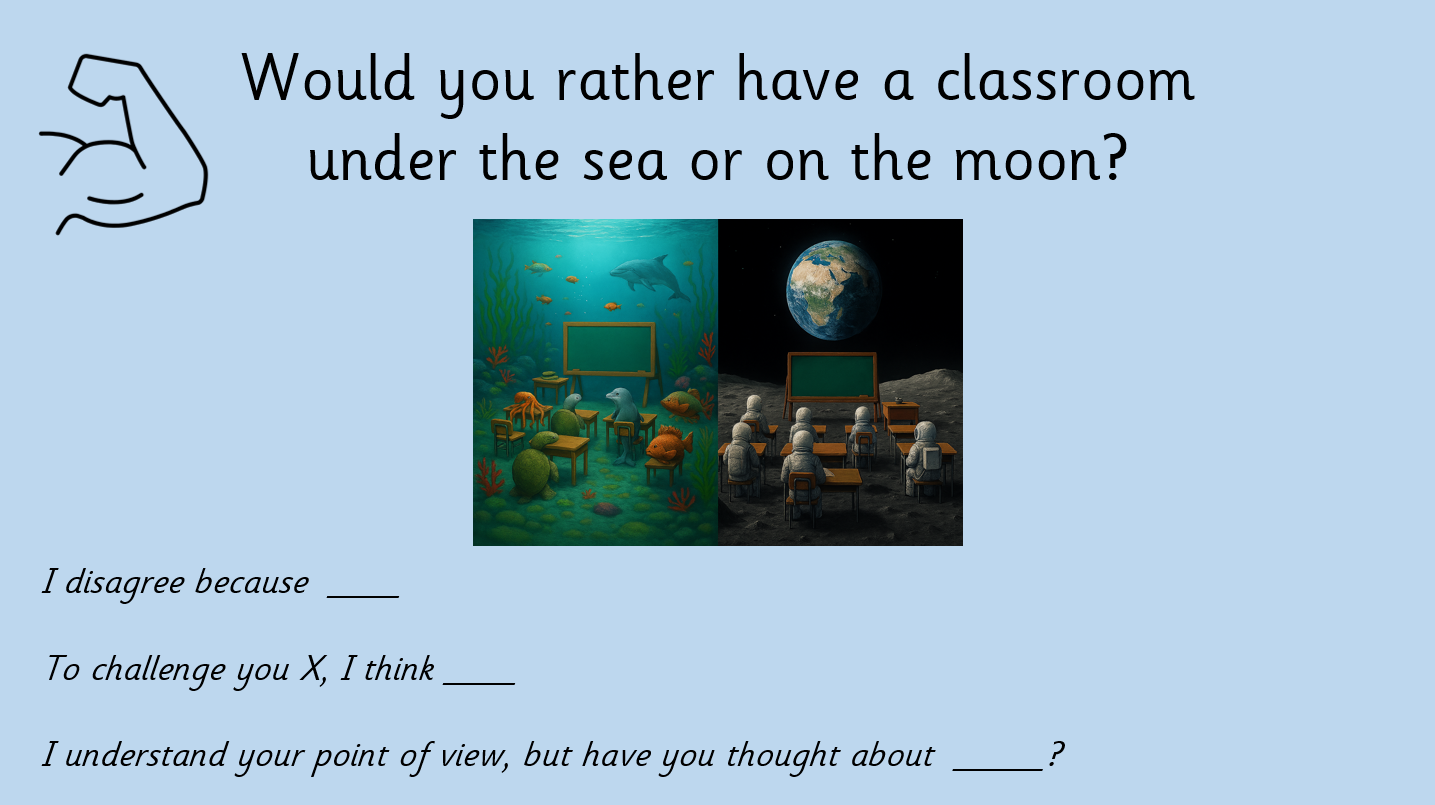
At Gillas Lane, we recognise that spoken language is the foundation of learning. Before children can write an explanation, they need opportunities to verbalise their thinking. Before they can construct an argument in writing, they must learn how to debate, challenge ideas and justify opinions through talk.
Without explicit teaching, classroom discussion can sometimes be dominated by the most confident voices while quieter children remain passive. By teaching oracy directly, we ensure that every child develops the knowledge, skills and confidence to participate meaningfully in conversations and learning. Our Voice 21 journey has highlighted the importance of giving all pupils structured opportunities to speak, listen, reason and reflect
To ensure oracy is taught explicitly, every class participates in a dedicated weekly oracy activity. These sessions are designed to:
- Teach speaking and listening skills directly
- Develop confidence when speaking to different audiences
- Encourage respectful discussion and debate
- Practise specific talk tactics
- Build progression in communication skills from Nursery to Year 6
We use our oracy progression document to carefully plan each activity to ensure all staff and children understand the ‘why’ behind the talk.
Discussion Guidelines and Talk Tactics
Children are explicitly taught and regularly practise Voice 21 Talk Tactics to improve the quality of classroom discussion. Through repeated practice, children become increasingly skilled at sustaining meaningful discussions and reasoning with others.
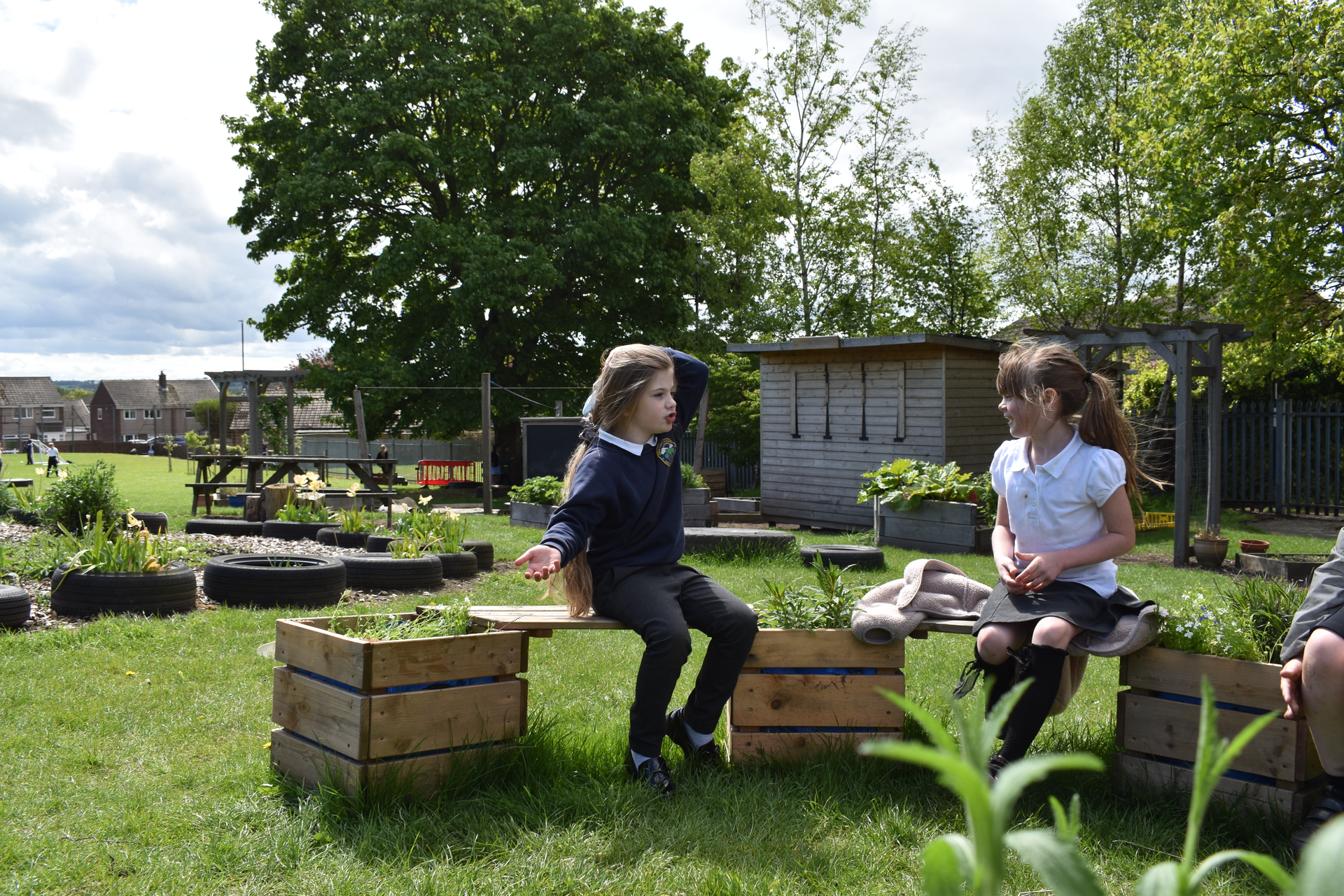
Each class develops their own unique discussion guidelines which help create a culture of respectful and purposeful talk. These guidelines help ensure that every voice is heard and valued. We refer to guidelines across the school day.
Oracy Beyond the Classroom
At Gillas Lane, we believe oracy development should extend beyond lessons. We are therefore committed to developing talk across the wider life of the school. We continue to work hard to provide a range of opportunities for our pupils:
- Assemblies and performances
- Weekly ‘Team Talk’ sessions focussed on recent hot topics
- Whole school conversation stations
- Round lunch time tables designed for socialising
- A relaxed and calming environment
- Children who take on roles such as ‘sports commentator’ or lead a school tour
- Oracy recognised in celebration assembly
- Opportunities to network outside of the classroom through Trust events, trips and visits
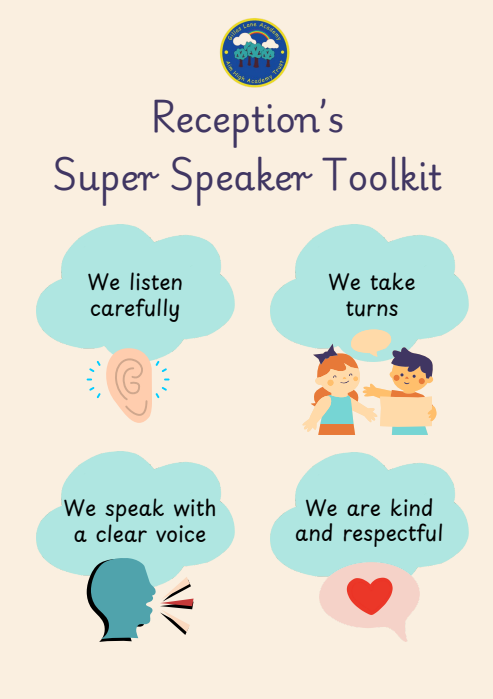
Oracy at Home
We recognise that families play an important role in developing communication skills. To strengthen the partnership between home and school, we will share upcoming oracy activities on Class Dojo. This allows children and families to explore the discussion in advance and practise speaking, listening and reasoning together at home. In addition to this, a non-core project will also encourage discussion supported by sentence stems to use at home.
These activities are designed to:
- Encourage family discussion
- Develop confidence before classroom participation
- Broaden vocabulary
- Promote curiosity and critical thinking
By working together, we can create a rich culture of talk both in school and at home. Through embedding Voice 21 principles throughout our curriculum, learning behaviours and wider school life, we are ensuring that every child develops the communication skills needed to succeed now and in the future.
At Gillas Lane, every voice matters, every conversation counts and every child deserves to be heard.